Admissions
Join our consortium and shape the future of theology in Asia.
Admissions Guide
Admission Requirements
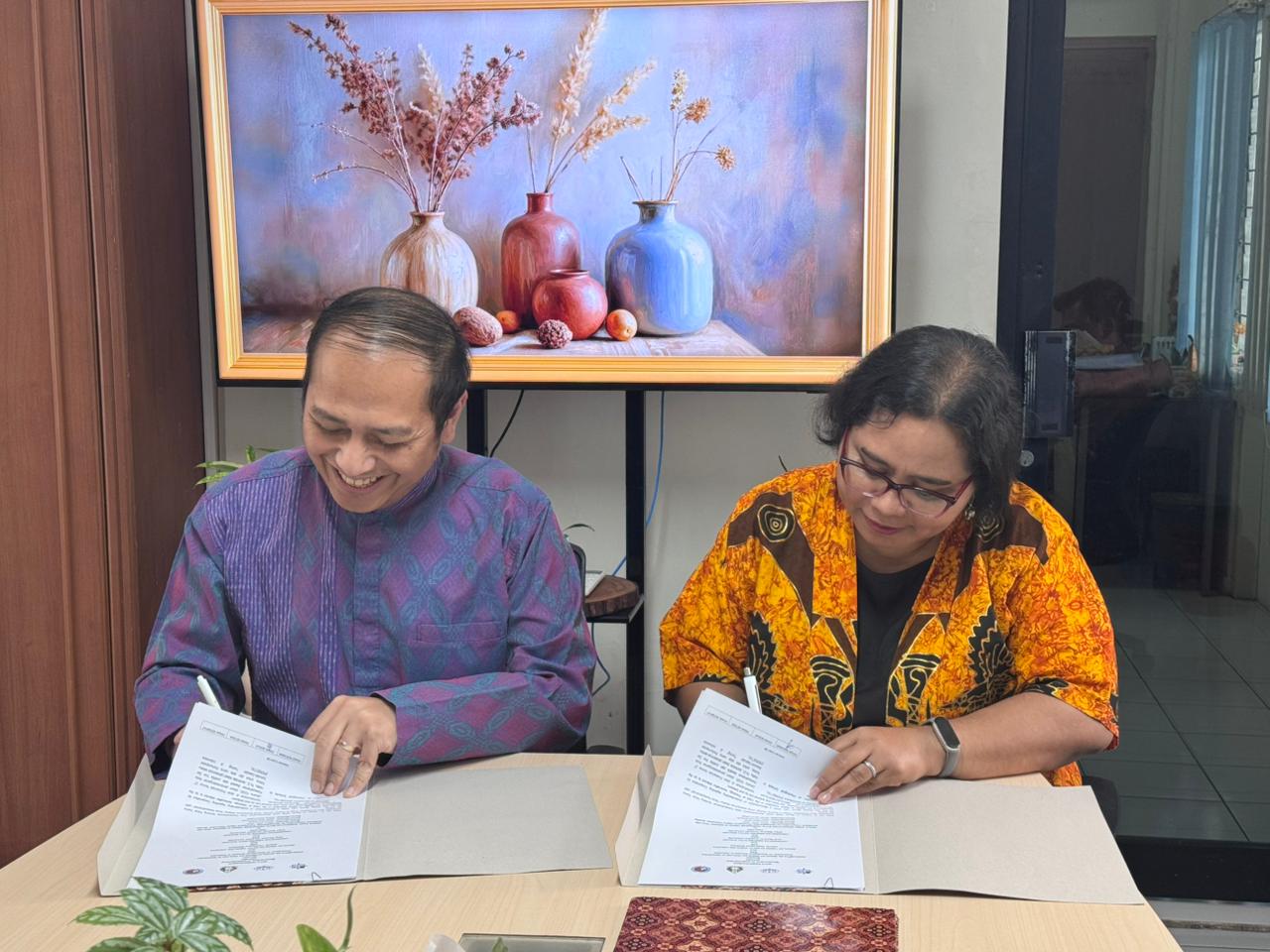
To apply for the doctoral programs under the IGTU consortium, candidates must fulfill the following prerequisites:
Academic Background
A recognized Master of Theology (M.Th) or equivalent degree with a minimum GPA of 3.30 (on a 4.0 scale).
Research Proposal
A comprehensive 3,000-word proposal outlining the intended research area, methodology, and its contextual relevance to Asia.
Language Proficiency
Proof of English proficiency (TOEFL/IELTS). Additional classical languages may be required based on the research focus.
Recommendations
Two academic recommendation letters from previous professors or institutional leaders.
Application Process
Online Submission
Submit all required documents, including the research proposal and academic transcripts, through the IGTU portal.
Joint-Committee Review
The academic senate, representing PERSETIA, STFT, UKDW, and UKSW, will evaluate the academic merit of your proposal.
Interview Session
Shortlisted candidates will be invited for an academic interview to defend their proposal before a panel of professors.
Tuition & Funding
Because IGTU operates as a consortium, tuition fees are standardized across partner institutions. This ensures that students can cross-register for seminars without incurring extra institutional fees.
Detailed fee structures for the upcoming academic year will be provided upon request. Please contact the admissions office for the most up-to-date schedule of fees, which includes matriculation, library access, and examination costs.
Scholarships
Funding Your Doctoral Journey
IGTU is committed to ensuring that financial barriers do not prevent highly qualified scholars from contributing to Asian theology. Various funding options are available:
- ✓ PERSETIA Grants: Limited grants available for faculty members of PERSETIA-affiliated schools.
- ✓ Institutional Scholarships: Merit-based assistance provided directly by STFT, UKDW, or UKSW.
- ✓ Partner Endowments: Support from global ecumenical partners for research addressing critical Asian contextual issues.
FAQ
Can I study part-time?
The doctoral program requires intensive research. While some coursework can be adjusted, a full-time commitment is highly recommended during the first two years.
Do I need to live in the same city as the campus?
While physical presence is required for specific colloquiums and examinations, the consortium model allows for certain research phases to be conducted in your specific ministry context.